Embodied yoga anatomy for understanding the body, offering space to move safely, practise intelligently, and build confidence through awareness rather than force.
Course Structure & Curriculum
A structured, body-led exploration of anatomy, moving from foundation to integration, designed to bring clarity, confidence, and discernment into everyday practice.
Introduction
An orientation to the course and how to move through the material with ease, clarity, and attention.
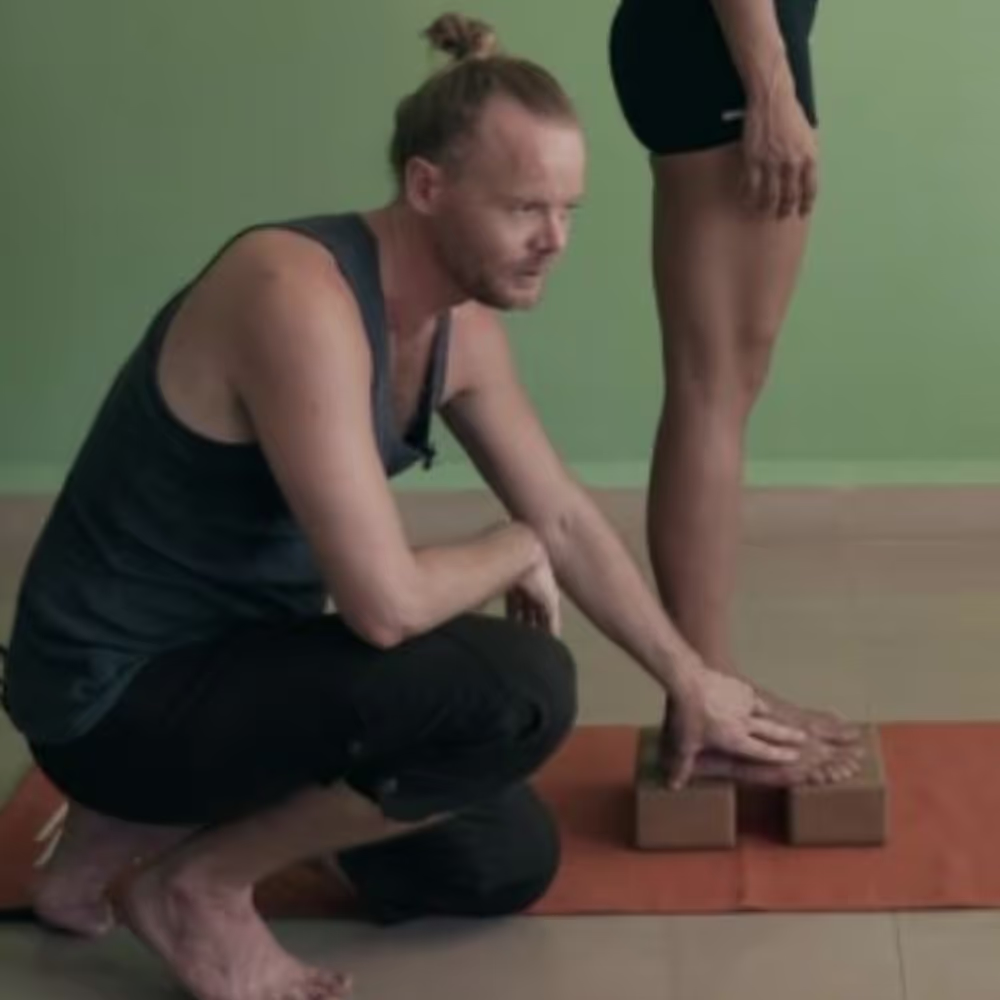
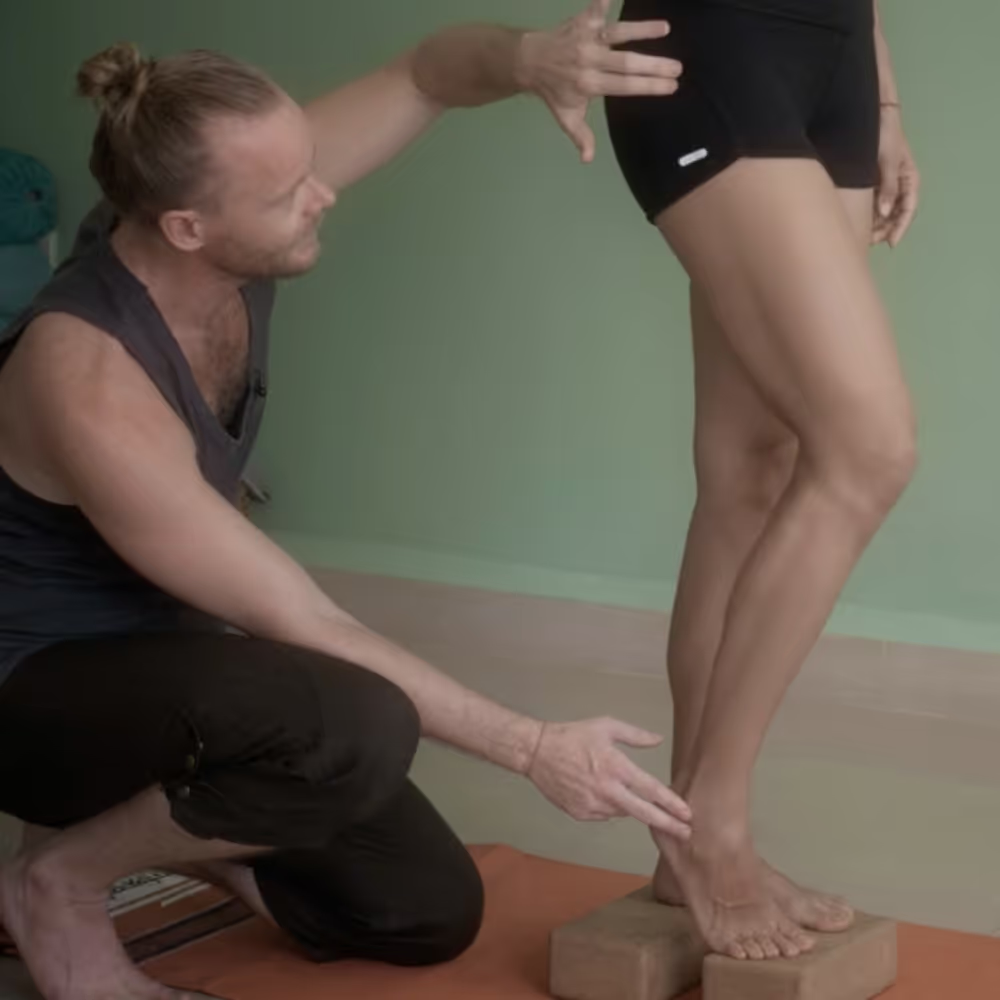
The Feet
Foundations of balance and support, exploring pronation, supination, and the base of the foot through simple tests and applied practice.
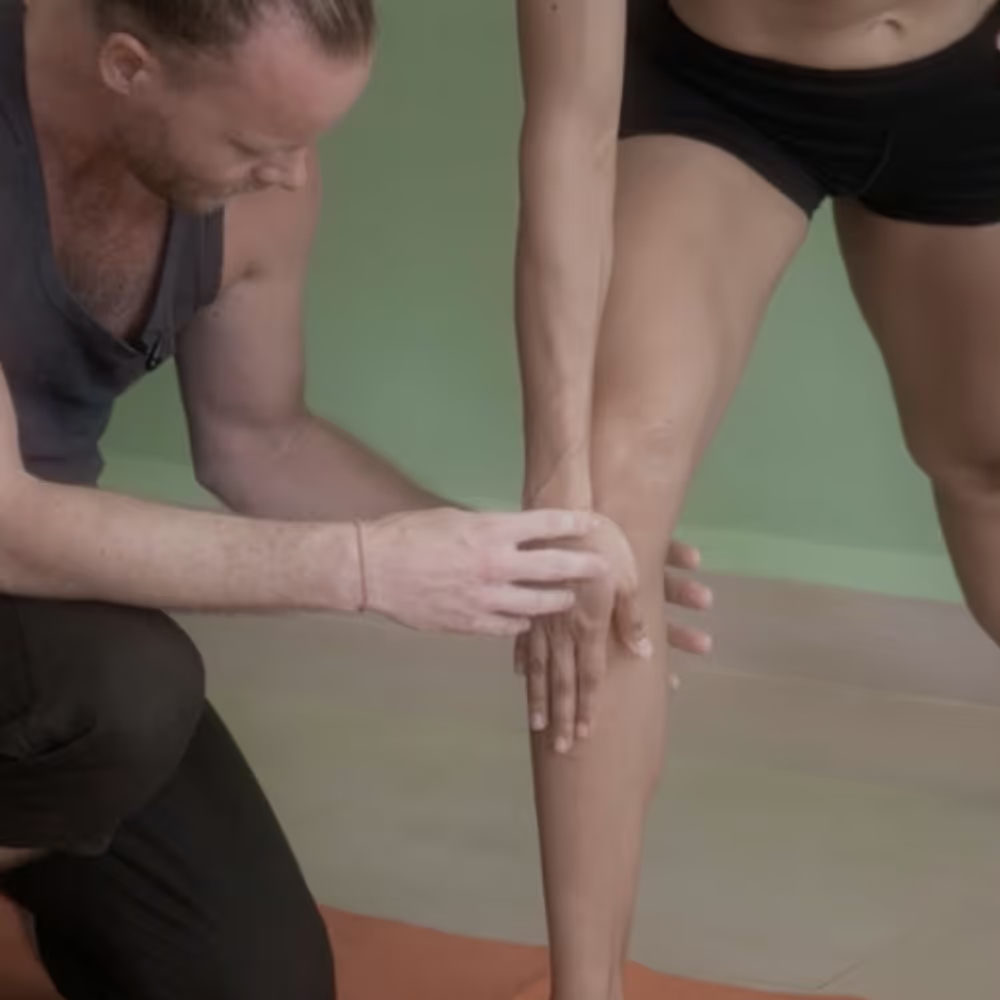
The Legs & Knees
Understanding leg and knee structure, hyperextension, and safe alignment in standing postures, with practical strategies for stability without locking.
The Pelvis
Exploration of pelvic structure and the sacroiliac joint, supporting clearer organisation, sagittal plane awareness, and functional alignment.
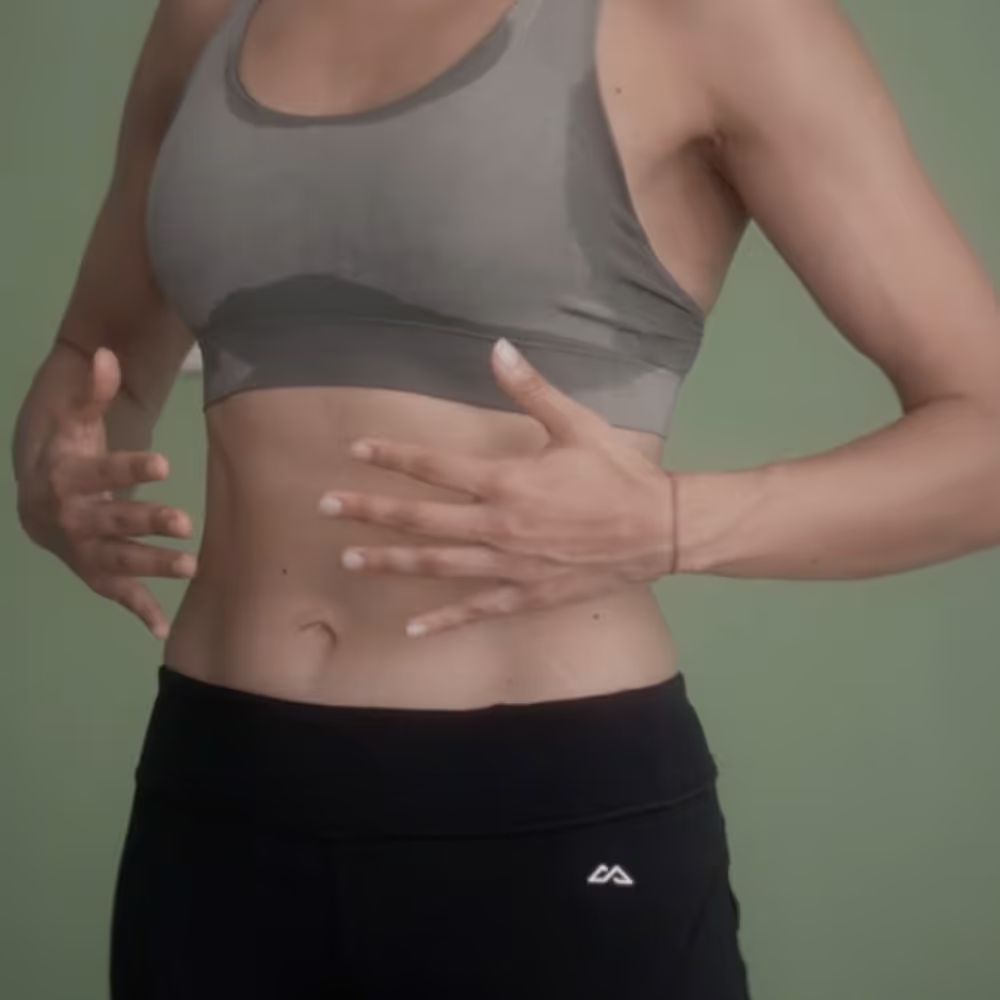
The Abdominals
Developing supportive core engagement through understanding the transverse abdominis and its role in steadiness and movement efficiency.
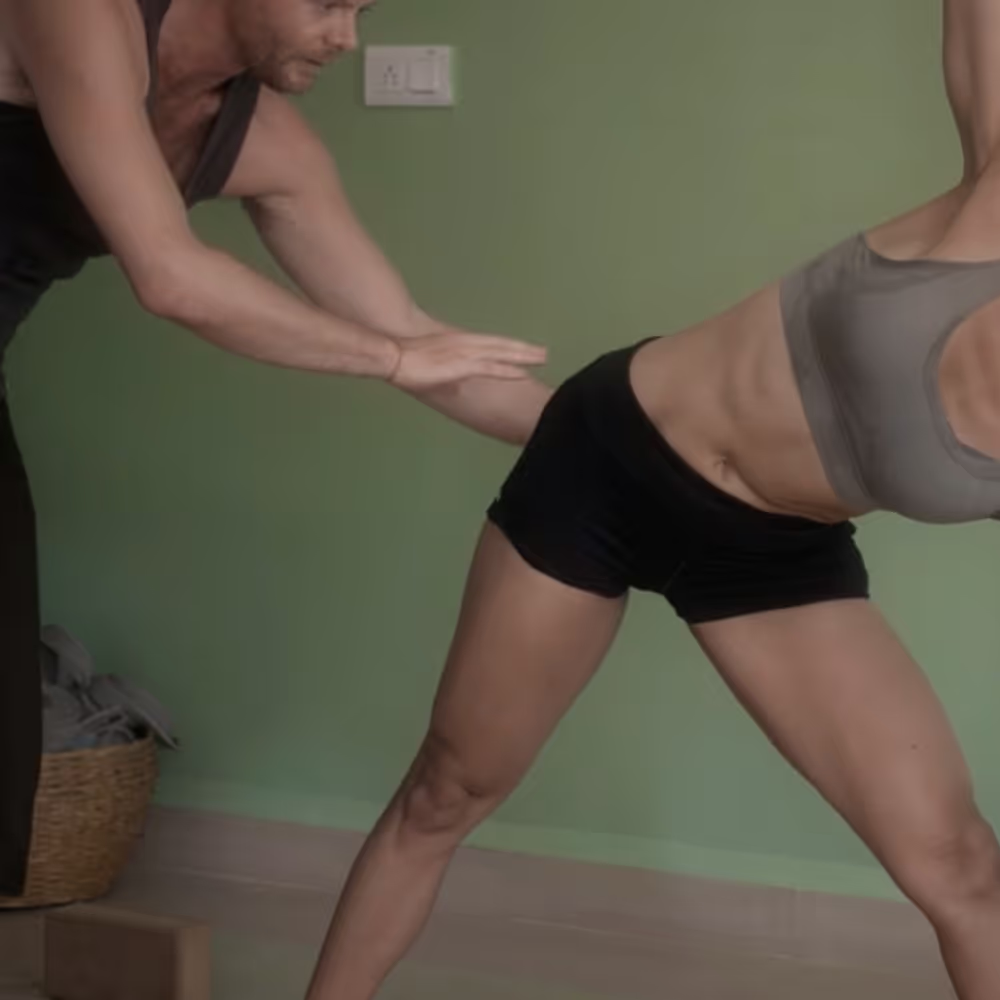
The Spine
Learning to twist and rotate safely, with applied guidance for seated and standing postures that protect the spine and support ease.
The Shoulders
Structural understanding and alignment of the shoulders, using isometric exercises and applied poses to support strength without tension.
The Head & Neck
Integrating head and neck alignment through muscular support and bandha awareness, allowing the whole body to work as one system.
Why Anatomy Matters in Practice
Many people practise yoga regularly yet feel unsure about what their body needs, when to stabilise, when to soften, when to rest. Anatomy offers a way to listen more clearly, replacing guesswork with understanding.
At ālaya wellbeing, anatomy is approached as a tool for discernment rather than information to memorise. Learning unfolds through observation, lived experience, and clear language, allowing patterns of movement, effort, and support to become recognisable in practice.
Who This Course Is For
This course welcomes both practitioners and teachers, with no prior anatomy knowledge required.
Practitioners seeking clarity and confidence in how they move
Teachers wanting a clearer, more usable understanding of anatomy
Those adapting practice over time or returning after a break
Anyone curious about how yoga works in real bodies, not idealised ones
Learning at Your Own Rhythm
This self-paced course fits easily into everyday life, with around 6 - 8 hours of learning delivered in short, focused lessons. You’re free to move slowly, pause, and return whenever needed, with no deadlines or fixed schedules.
Guidance & Experience
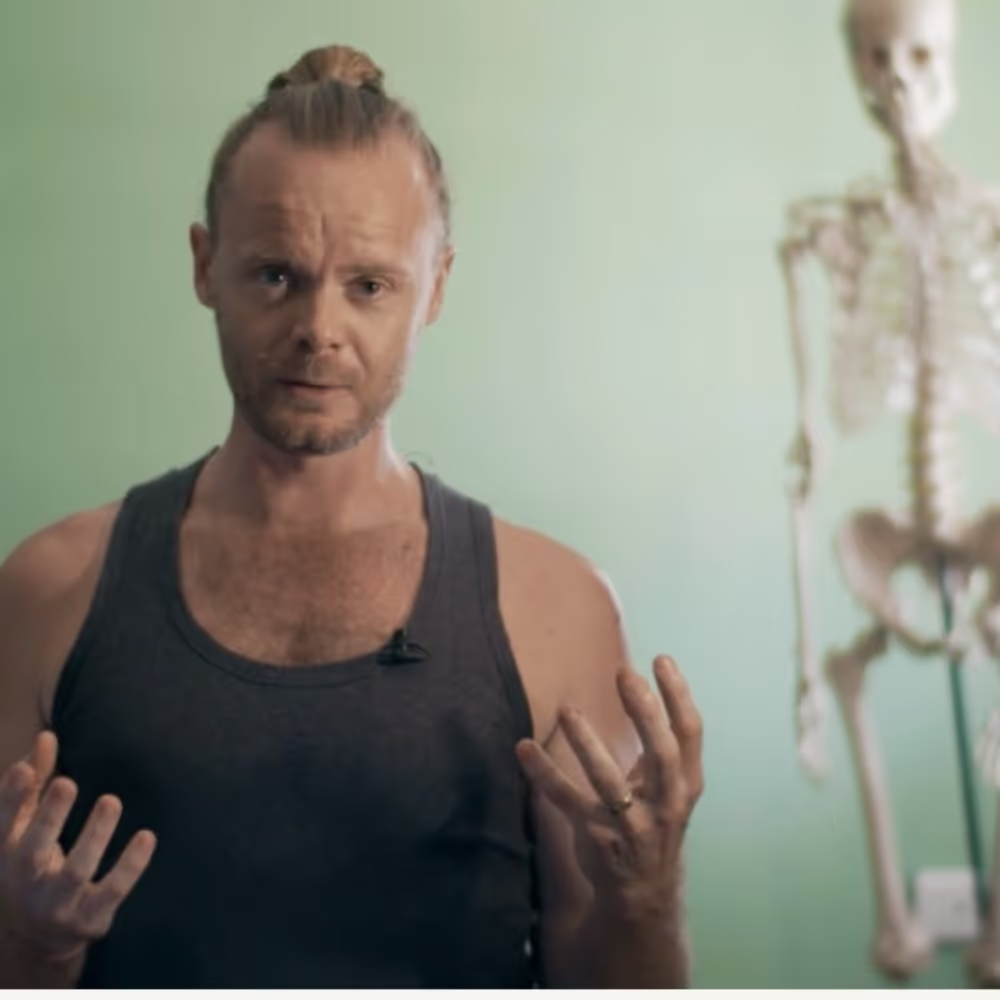
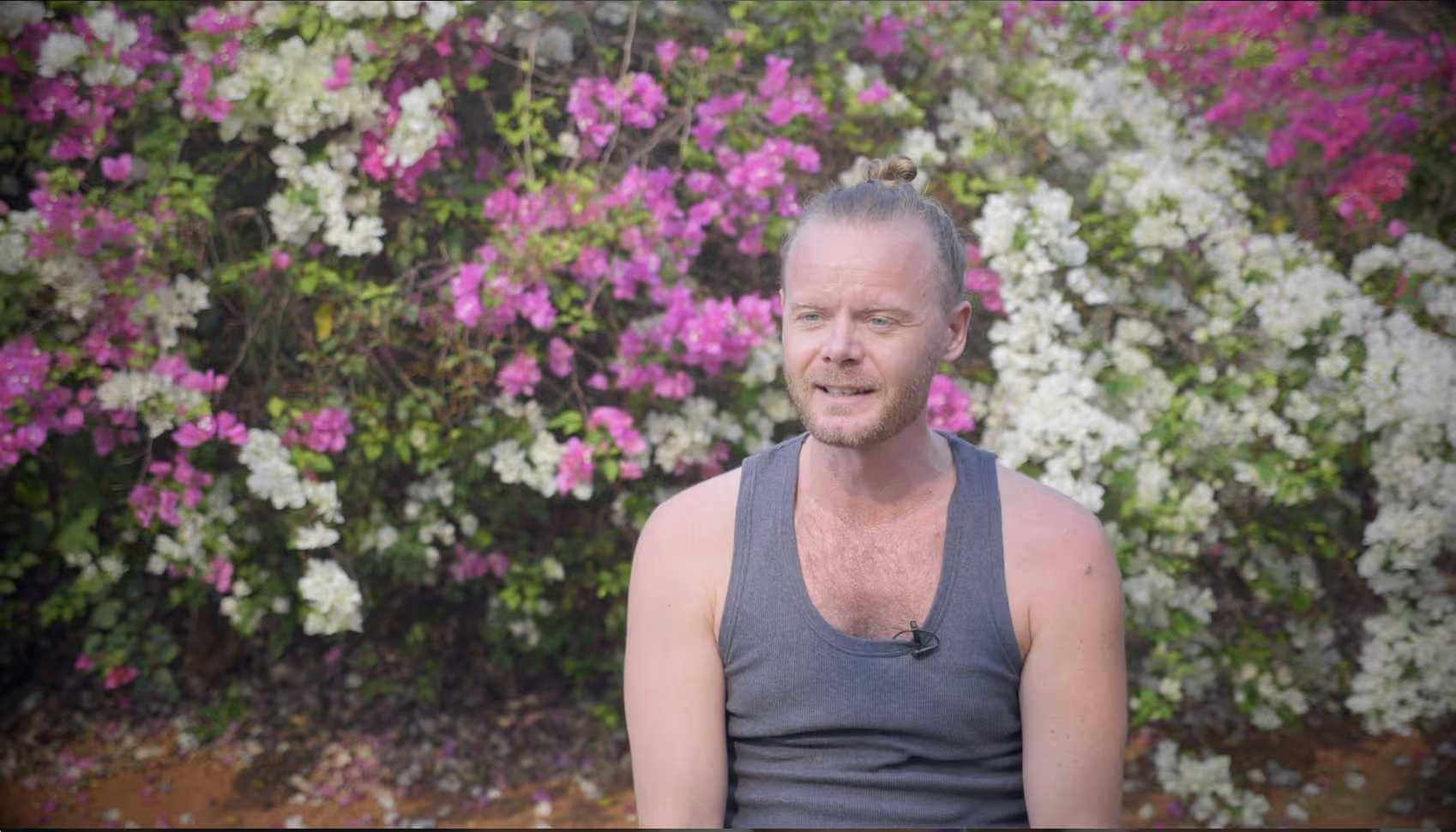
Adam Divine
Adam brings over a decade of experience teaching anatomy and hands-on bodywork in yoga and movement contexts. Trained in structural bodywork through Anatomy Trains, with additional study in Ayurvedic Yoga Massage and Thai Bodywork, his work is grounded in close observation and practical understanding.
His teaching focuses on body reading, myofascial release, and therapeutic awareness, helping anatomy become something that can be felt rather than memorised. Sessions are engaging, thoughtful, and rooted in genuine curiosity for how the human body organises and adapts in movement.
What You’ll Take With You
Greater trust in how your body moves and responds
Confidence to adapt, modify, or rest when needed
A clearer, calmer relationship with practice
Insight that supports both personal practice and shared spaces
Course Pricing
A simple, flexible pricing structure designed to support ease and commitment without pressure.
Many Short Courses offer Certificates of Completion and Continuing Professional Development (CPD) hours, supporting professional standards and ongoing learning.
Great yoga teacher training! The anatomy section was super helpful, and the online anatomy teacher explained everything so clearly. The example classes, along with the adjustment and alignment guidance, were really useful. I highly recommend this training
RL
Rosita Liaudanskaite
I’m glad that I chose Himalaya Yoga Valley among all different other yoga schools. Many thanks to professionals, responsible, experienced, friendly and supportive tutors, staff and all team!!!
MH
Michelle Healy
Recommend!
Lovely studio, great teachers, and class packs are good value.
LH
Laura Higgins
Highly recommend !
Being able to do it online in my own time was great for me as I was full time as a school teacher. I loved being able to go back over lectures and live classes to deepen my understanding!
DE
David Emery
Each teacher an expert in their specific subject. I was looked after from the moment i got met by the taxi driver with the welcome pack to my graduation. i cant recommend Himalaya valley enough. Each one of the teachers an expect in their specific subject ...
JB
Jo Black
Excellent course. I have just finished the course & would highly recommend it if you’ve been considering the training. The course is great to fit in around your other commitments due to it being online but having the hybrid option is an added bonus...
PW
PWynne
Just do it , it’s amazing 🧘. I would absolutely recommend this course. I started with doubtful voices in my head but all of this knowledge and practice has quashed those doubts .I love the straight forward way in which the course is delivered. For me the flexibility of doing online classes at a time that suits as well as the live classes was a vital part of my success...
MB
Marian Bruen
Don't wait, enrol today!! Enrolling with Himalaya Yoga Valley was one of the best decisions I ever made! The course is so well thought-out and tutors are knowledgeable, encouraging and inspirational. The curriculum covers so much but is broken down into manageable lessons, which makes the online course so accessible to a busy, working mum, like myself...
No. While teachers may find the material useful, the course is designed equally for practitioners who want to understand how their body moves in practice. No teaching background is required.
Do I need prior anatomy knowledge to join?
Not at all. The course assumes no prior anatomy study. Concepts are introduced gradually, using clear language and practical examples that relate directly to movement rather than technical terminology.
Is this a medical or clinical anatomy course?
No. This is a practice-based course focused on functional anatomy as it relates to yoga. It does not cover diagnosis, treatment, or clinical assessment.
How is this different from anatomy taught in teacher training?
Rather than covering large volumes of information, this course emphasises understanding that can be felt in the body. Learning is slower, more focused, and directly applied to practice.
Will this help if my practice is gentle or adapted?
Yes. The principles explored are relevant across all styles and intensities of practice. The course supports adaptable, intelligent movement rather than fixed postures.
Is the course suitable if I’m returning to yoga after a break?
Very much so. Many people find the course helpful when re-entering practice, as it offers clarity around effort, stability, and pacing without pressure to perform.
How is the course taught?
Learning is delivered through short video lessons and practical demonstrations. Explanations are grounded in lived experience, allowing understanding to emerge through observation and practice.
How long will it take to complete the course?
The estimated learning time is 6–8 hours, but the course is fully self-paced. You can move slowly, pause, revisit sections, or spread learning over time.
How long do I have access to the course?
Once enrolled, you’ll have lifetime access. This allows you to return to the material whenever it supports your practice or teaching.
Does this course count toward professional development hours?
This course is primarily designed to support understanding and personal growth. Professional development recognition may vary depending on certification bodies and individual requirements.
Subscribe to our Newsletters
Thank you! Your submission has been received!
Oops! Something went wrong while submitting the form.
A global yoga school rooted in authentic tradition, guiding your journey from practice to purpose.
Level 2, Sth Mall, Cork City, Co.Cork, Ireland T12 YTY5